Metal Roof vs Shingle Roof in Northwest Ohio
Which one is right for your home?
We install both, so we have no reason to push you one way or the other. Here is the honest comparison for a NW Ohio home: cost, lifespan, how each handles snow, ice, and hail, noise, and what it does for resale.
Call (419) 799-7778Last updated: July 15, 2026
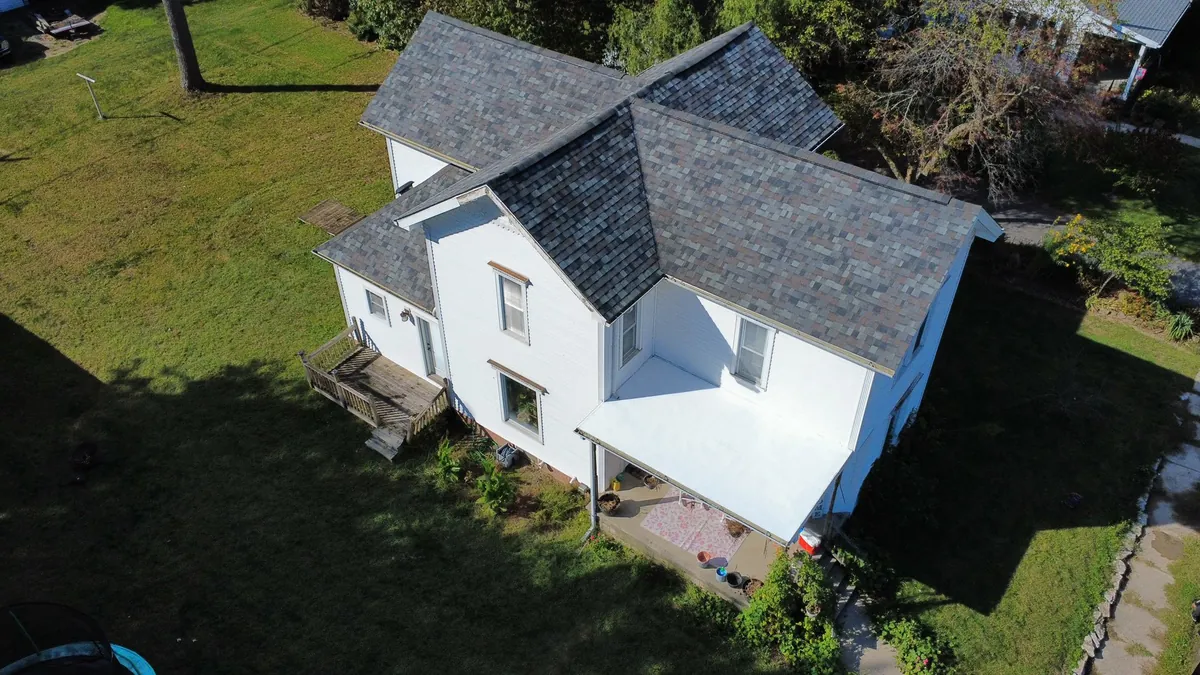
Both hold up well in Northwest Ohio. Architectural shingles cost less upfront and last 25 to 30 years, which fits most homes and most budgets. Standing seam metal costs more upfront but lasts 40 to 50 years, sheds snow and ice, and shrugs off hail, which is why so many farmhouses and forever homes out here go metal. The right pick depends on how long you plan to stay and your budget.
The short version.
Pick shingles if you want the lower upfront cost, you are not planning to stay in the house for 25-plus years, or you want the widest range of colors to match a neighborhood. Most homes in Napoleon and the surrounding towns are shingle roofs, and a good architectural shingle roof is a solid, proven choice.
Pick metal if you are staying long term, you want the longest life and the least maintenance, or you are dealing with heavy snow, ice dams, or a farmhouse or pole-barn-style home. Metal costs more day one, but you may never buy another roof.
There is no universally "better" roof. There is a better roof for your house, your budget, and how long you are staying. That is what a free inspection sorts out.
Cost: shingles win upfront, metal closes the gap over time.
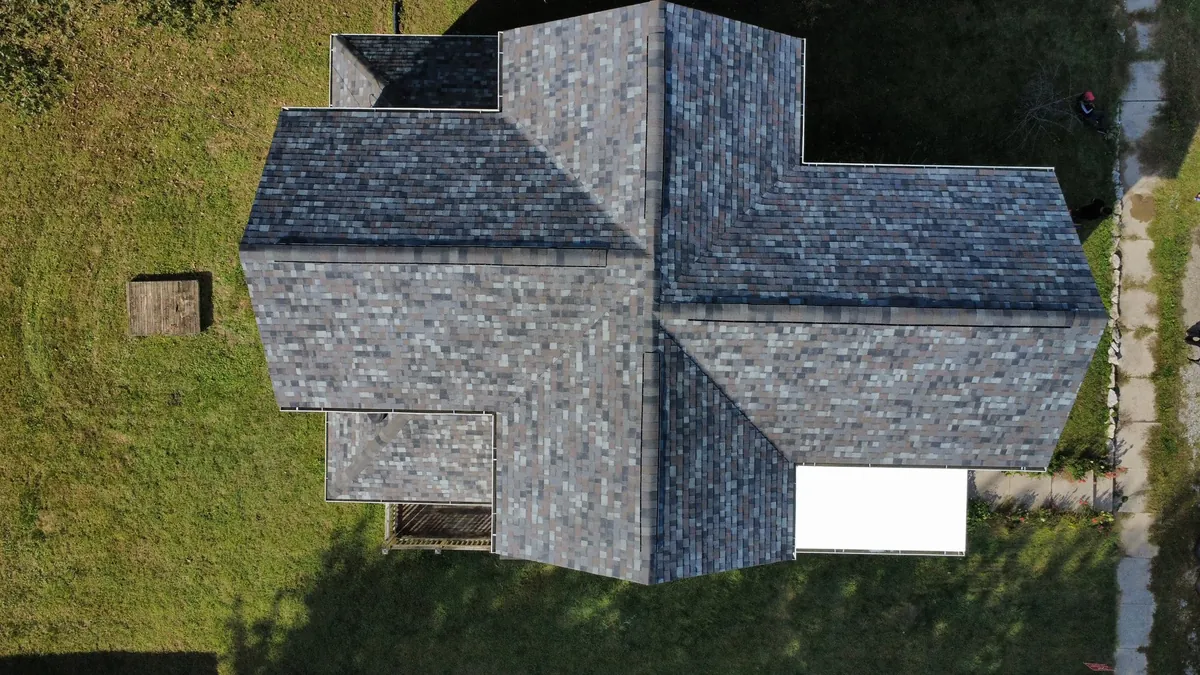
Shingles are the value choice on day one. A full tear-off and new architectural shingle roof in Northwest Ohio typically runs $8,000 to $18,000, depending on size, pitch, and how many old layers come off. A standing seam metal roof is quoted per roof and runs higher, because the panels cost more and take more labor to form and fasten.
But look at the cost over time, not just day one. If a shingle roof lasts 25 to 30 years and a metal roof lasts 40 to 50, the metal roof is spread across nearly twice the lifespan. If you are staying in the house that long, the yearly cost of the two gets a lot closer than the sticker prices suggest. If you are moving in ten years, that math does not help you, and shingles are the smarter spend. For the full breakdown, see our NW Ohio roof cost guide.
How each holds up to Ohio weather.
This is where the decision gets real, because Northwest Ohio is hard on roofs. Freezing rain, ice dams, heavy wet snow, spring wind, and summer hail all in one year.
Snow and ice
Metal wins here. A smooth standing seam roof sheds snow instead of holding it, which cuts the load on your roof and helps prevent the ice dams that form at the eaves when snow melts and refreezes. On a house that fights ice dams every winter, that alone can be the deciding factor. Shingles hold snow longer, which is why proper ice and water shield at the eaves matters so much on a shingle roof here.
Hail and wind
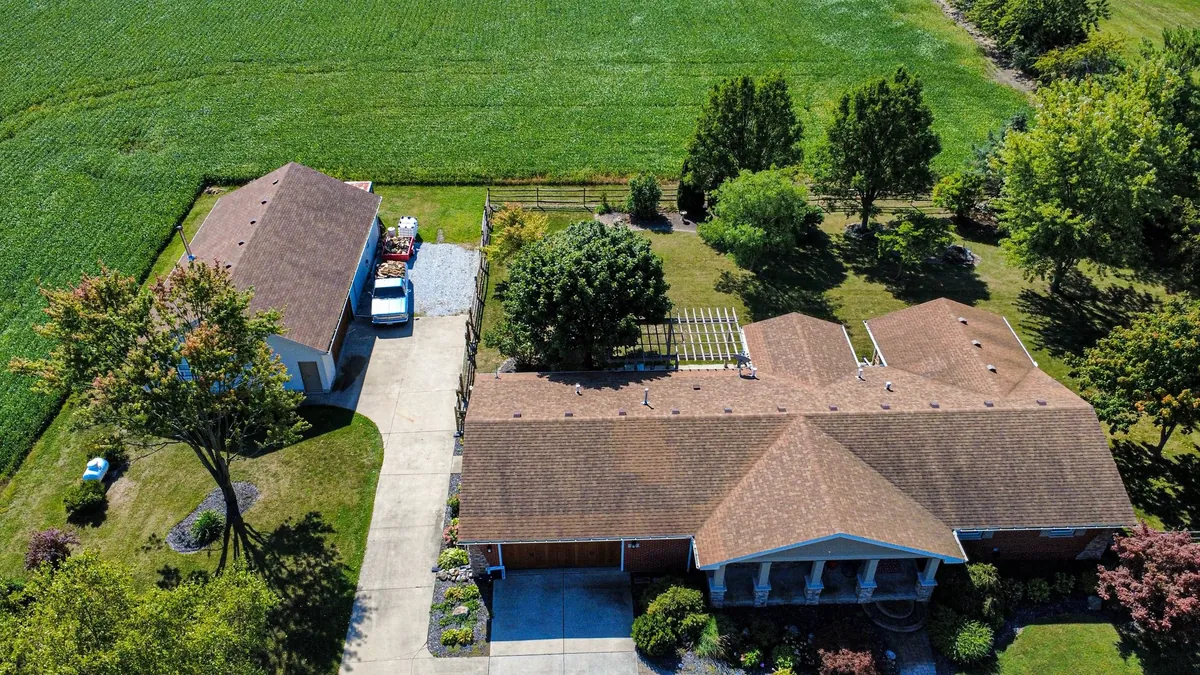
Metal handles hail and high wind very well and rarely needs repair after a storm. Architectural shingles handle it well too, and if hail is a real concern, Class 4 impact-rated shingles close most of the gap and can earn an insurance discount. Either way, if a storm does hit, we can help you file the insurance claim.
Freeze-thaw
Both survive it if installed right, and both fail early if not. Ohio's freeze-thaw cycle finds every shortcut a cheap installer took. This is the part that has nothing to do with the material and everything to do with who puts it on.
Side by side.
- Upfront cost: shingles lower, metal higher
- Lifespan: shingles 25 to 30 years, metal 40 to 50
- Snow and ice: metal sheds it, shingles hold it
- Hail: metal excellent, shingles good (Class 4 better)
- Maintenance: metal very low, shingles low
- Color choices: shingles widest range, metal more limited
- Noise: about the same inside a properly built home
- Best fit: shingles for most homes and shorter stays, metal for farmhouses, forever homes, and heavy-snow spots
Not sure which fits your house?
Free inspection and honest advice for homeowners in Napoleon and NW Ohio. We install both.
Two things people always ask about.
Is metal loud in the rain?
Not the way people picture it. A modern metal roof goes over a solid deck with underlayment, with attic insulation below that. From inside the house, rain and hail are muffled to about the same level as a shingle roof. The loud tin-roof sound people remember comes from metal over open barn framing, not a finished home.
What about resale?
A new roof of either type helps resale, because buyers do not want to inherit a roof problem. Metal can be a selling point on the right house, especially rural properties and farmhouses where the look fits and buyers value the long life. In a standard subdivision, a clean architectural shingle roof in the right color is exactly what buyers expect, and it shows well.
Metal vs shingle: common questions.
Both work well in Northwest Ohio, and it comes down to how long you plan to stay and your budget. Architectural shingles cost less upfront and last 25 to 30 years. Standing seam metal costs more upfront but lasts 40 to 50 years and sheds snow and ice better. For a forever home or a farmhouse, metal often wins. For a shorter stay or a tighter budget, shingles usually make more sense.
Yes. A metal roof costs more upfront than an architectural shingle roof. A full shingle replacement in NW Ohio typically runs $8,000 to $18,000; metal is quoted per roof and runs higher because of the material and the labor to form and fasten the panels. Over the life of the roof the gap narrows, since metal can last nearly twice as long.
Not the way people expect. A modern metal roof is installed over a solid deck with underlayment and often attic insulation below it, so rain and hail are muffled to about the same level as a shingle roof from inside the house. The loud tin-roof sound people picture comes from metal over open framing, like an old barn.
Yes. A smooth standing seam metal roof sheds snow instead of holding it, which reduces the load on your roof and helps prevent ice dams at the eaves. On a home prone to ice dams, that is a real advantage in a Northwest Ohio winter. We can add snow guards where sliding snow needs to be controlled over doorways or walkways.
In our climate, a well-installed architectural shingle roof lasts about 25 to 30 years, and a standing seam metal roof lasts about 40 to 50 years. Installation quality matters as much as the material. A cheap install of either one fails early, especially with Ohio's freeze-thaw cycle working on it every winter.
Get an honest recommendation.
We come out, look at your house, and tell you which roof actually makes sense for it. No pressure, no sales pitch.