
Hail Damage Roof Checklist for Ohio Homeowners
What to do after a hailstorm, from the first hour to the adjuster visit.
Northwest Ohio gets its hail in spring and summer thunderstorms, and most of the damage is invisible from the driveway. This is the order we tell homeowners to work in after a storm: stop any water, check the ground, document everything, get the roof inspected, and only then decide whether to file.
Call (419) 799-7778Last updated: October 15, 2026
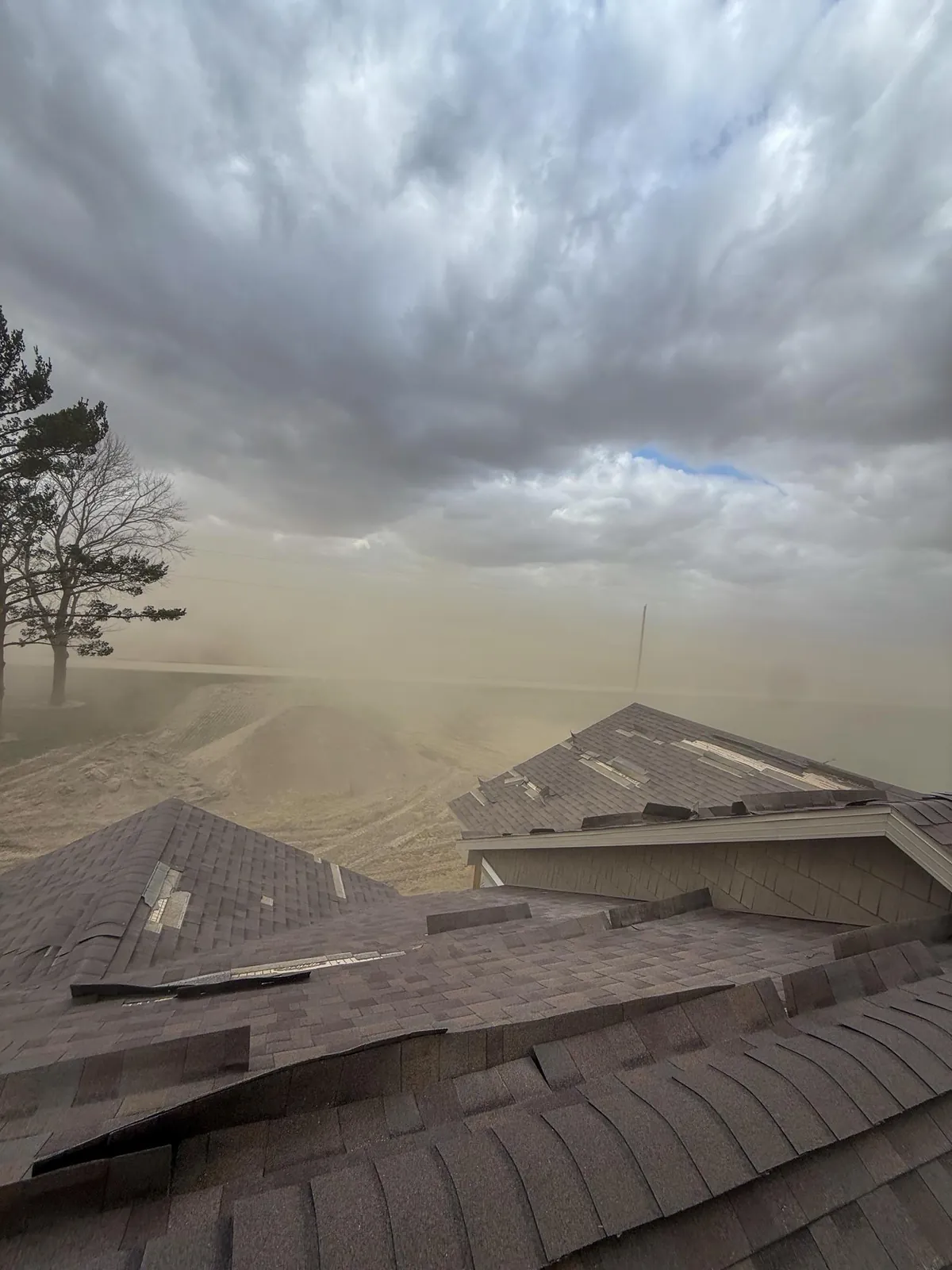
After a hailstorm, stay off the roof, stop any active leak, and walk the property from the ground looking for dented gutters, downspouts, vents, and siding. Photograph everything with the date, write down the storm details, and get a roof inspection before you call your insurance company, so you file with real evidence. Most Ohio homeowner policies give you about one year from the storm to file, but damage is easier to prove the sooner it is documented.
Step 1: The first hour after the storm.
Wait until the storm has fully passed and the lightning is gone before you go outside. Stay off the roof and off ladders. Wet, hail-covered shingles are slick, and a bruised shingle can break loose under your feet.
Go through the top floor and the ceilings first. A brown stain, a drip at a light fixture, or a bubble in the paint means water is already getting in. Put a bucket under it, move furniture and anything electronic out of the way, and take a photo before you clean anything up.
If water is coming in or part of the roof is open, call for an emergency tarp. Your policy expects you to take reasonable steps to keep the damage from getting worse, and an emergency tarp is typically covered as part of the claim. Keep any damaged items, like soaked carpet, until the adjuster has seen them or you have photographed them well.
Step 2: Walk the property from the ground.
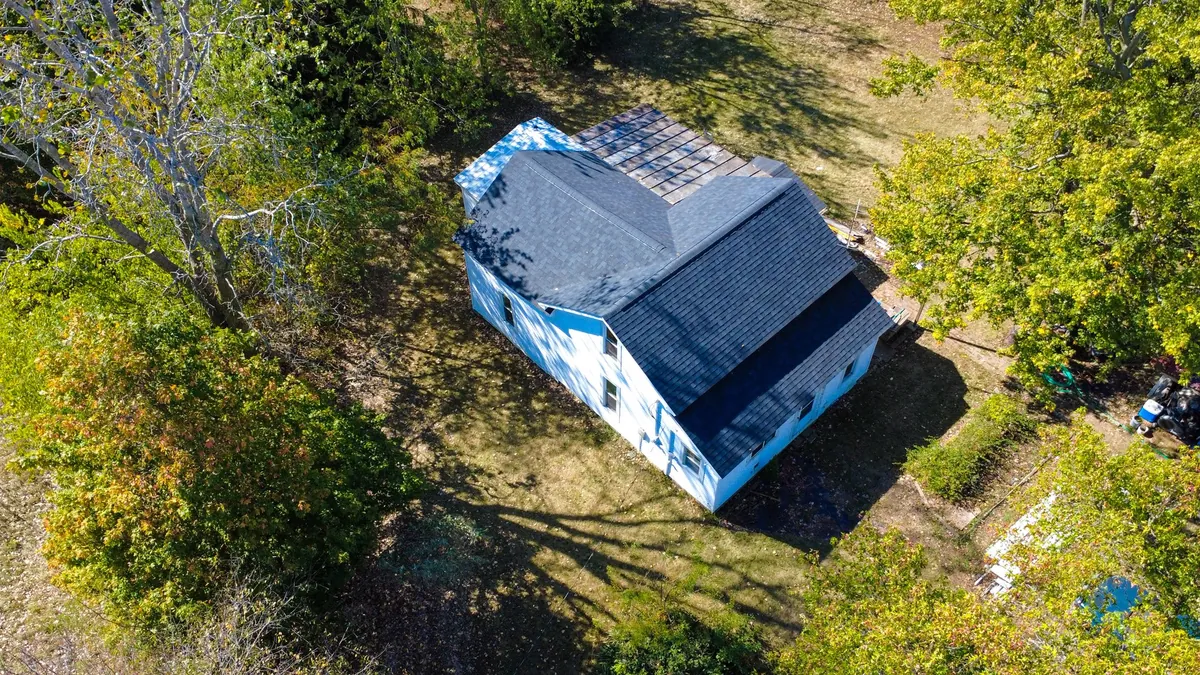
Hail that is big enough to hurt a roof usually leaves marks on softer things around the house first, and those are easy to see from the yard. Walk all four sides of the house and check:
- Gutters and downspouts: round dents in the aluminum, especially on the side facing the storm
- Downspout outlets: a fresh pile of dark, sandy shingle granules on the splash block
- Roof vents and caps: dented metal vent caps and chipped plastic vents along the ridge
- Siding and trim: dings in aluminum siding, cracks or holes in vinyl, chipped paint on wood trim
- Window screens and wraps: torn screens and dented aluminum window wraps
- AC condenser: flattened fins on the outdoor unit
- Everything else outside: cars, wood fences, decks, mailboxes, grills, and outbuildings like a pole barn or detached garage
- The yard itself: shredded leaves, broken limbs, and pieces of shingle in the grass
Granules alone do not prove hail damage. Every shingle roof sheds some granules as it ages, and a new roof sheds loose ones for the first few months. A sudden, heavy pile right after a storm, together with dents on the gutters and vents, is a strong sign the roof took hits too.
Hail usually comes in on the wind, so the slopes and walls that faced the storm take most of it. If the storm came out of the west, the west side of the roof is the first place to look.
Step 3: Write down how big the hail was.
If there are still hailstones on the ground, set a coin or a tape measure next to the biggest ones and take a photo. Hail melts fast, so this photo is worth taking right away.
Size matters because it tells you how likely real roof damage is. The Nebraska Department of Insurance, in its homeowner guide to hail damage, puts the general thresholds this way:
- About 1 inch (quarter size): can damage lightweight asphalt shingles
- About 1 1/4 inches (half-dollar size): generally needed to damage heavier composite shingles or wood shakes
- Under 1 inch: usually only damages shingles that are already worn and brittle, and generally only above about 3/4 inch (dime size)
Those are general guidelines. Wind speed, the angle the hail hits at, and the age of the roof all change the result. A 20-year-old roof in Napoleon that has been through two decades of freeze-thaw can be damaged by hail that would barely mark a new one.
Along with the size, write down the date, the rough time, how long the hail lasted, and which direction the storm came from. Screenshot the weather alert or the local news coverage. Those notes help tie the damage to that specific storm, which matters if you file months later.
Step 4: Photograph everything and check the attic.
Your phone is fine, and the timestamps on the photos help. Take wide shots of each side of the house and roof from the ground, then close-ups of every dent and crack you found in Step 2. Put something next to the dents for scale. Photograph the yard debris before you clean it up.
If you can get into the attic safely, take a flashlight up and look at the underside of the roof deck. Wet spots, fresh water stains, damp insulation, or daylight coming through are all worth photographing. Do not walk on anything but the framing. Hail leaks often show up days later, after the next rain, so check the attic again after the next storm.
Make a written list of everything that looks damaged, inside and out: roof, gutters, siding, screens, the AC unit, the fence, the shed. Adjusters work from the list you give them, and items that are not on it tend to get missed.
What hail damage on a roof actually looks like.
Most of this is too small to see from the ground, which is why the roof has to be checked up close.
On asphalt shingles
A hail hit knocks the granules off in a roughly round spot and exposes the black asphalt underneath. On a fresh hit, the spot is often shiny. Press on it and it can feel soft, like a bruise on an apple, because the hit cracked the fiberglass mat inside the shingle. The cracked mat lets water in and lets the shingle break down faster, which is how hail shortens a roof's life by years even when nothing leaks right away.
Real hail damage is random. The hits are scattered across the slope in different sizes with no pattern. That is how a roofer tells it apart from things that look similar:
- Blisters: small pops in the surface from trapped gas, without the soft bruise underneath
- Age cracking and curling: cracks and cupped edges spread evenly across an old roof
- Dark streaks: algae, not damage (see why shingles turn black)
- Hammer and foot traffic marks: half-moon shapes, usually in rows near the ridge
On metal roofs
Metal handles hail very well and rarely needs repair after a storm. Large hail can still dent panels and trim. Some insurance policies treat dents that do not affect how the roof sheds water as cosmetic and exclude them, so check your policy wording before you assume a dented metal roof is covered.
On flashing, vents, and gutters
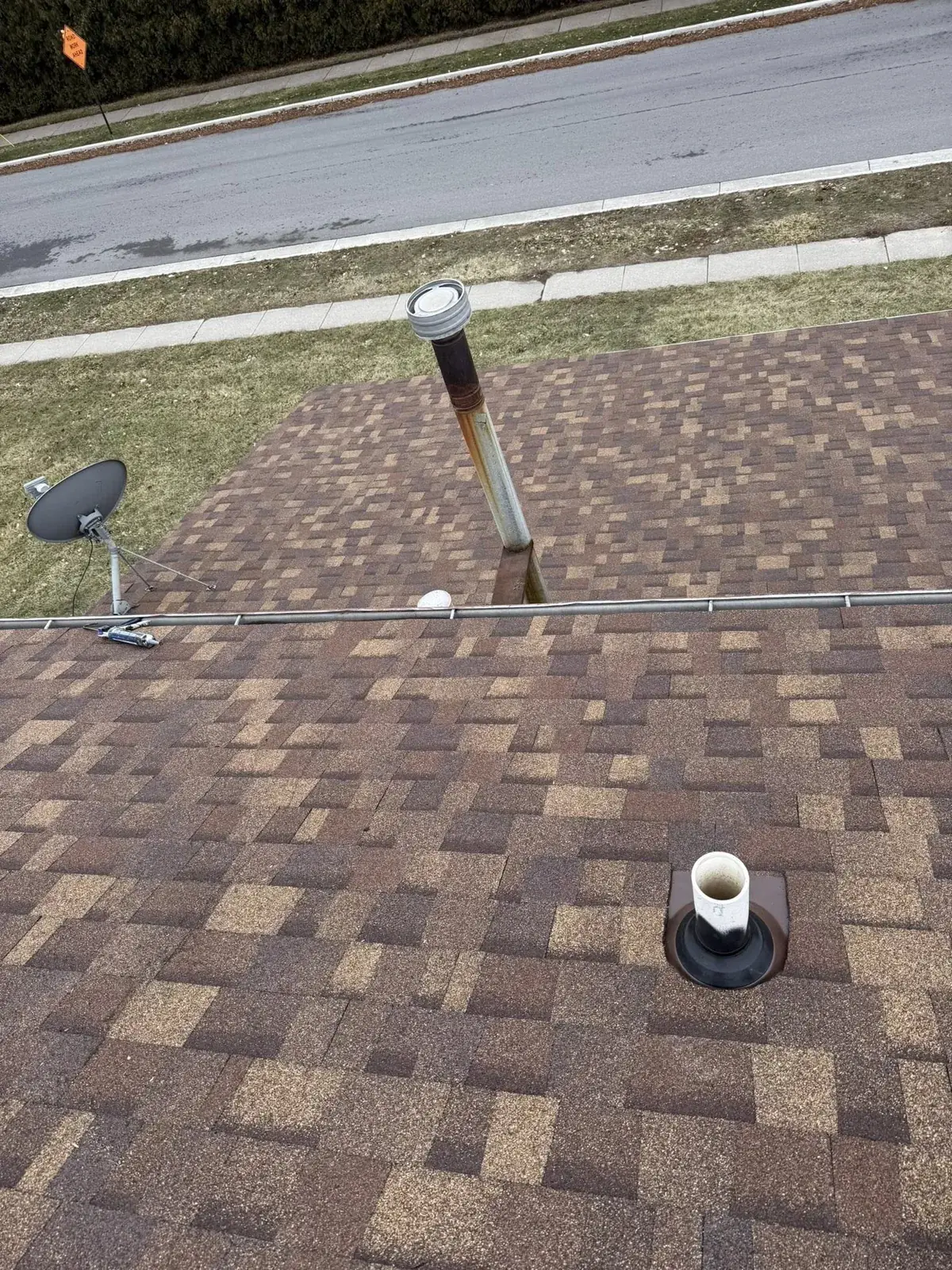
Dented flashing, crushed vent caps, and cracked plastic pipe boots can let water in on their own, even if the shingles around them held up. Hail can also crack the seal strip that holds each shingle down, so a roof that came through without a leak can start losing shingles in the next spring windstorm.
Hail come through your area?
Free inspection with drone photos for homeowners in Napoleon and across NW Ohio. The photos are yours to keep.
Step 5: Get the roof inspected before you call insurance.
If you call your insurance company first, the adjuster becomes the first person to look at your roof, and anything they miss is hard to add back later. A roofer's inspection first means you file knowing what is actually damaged.
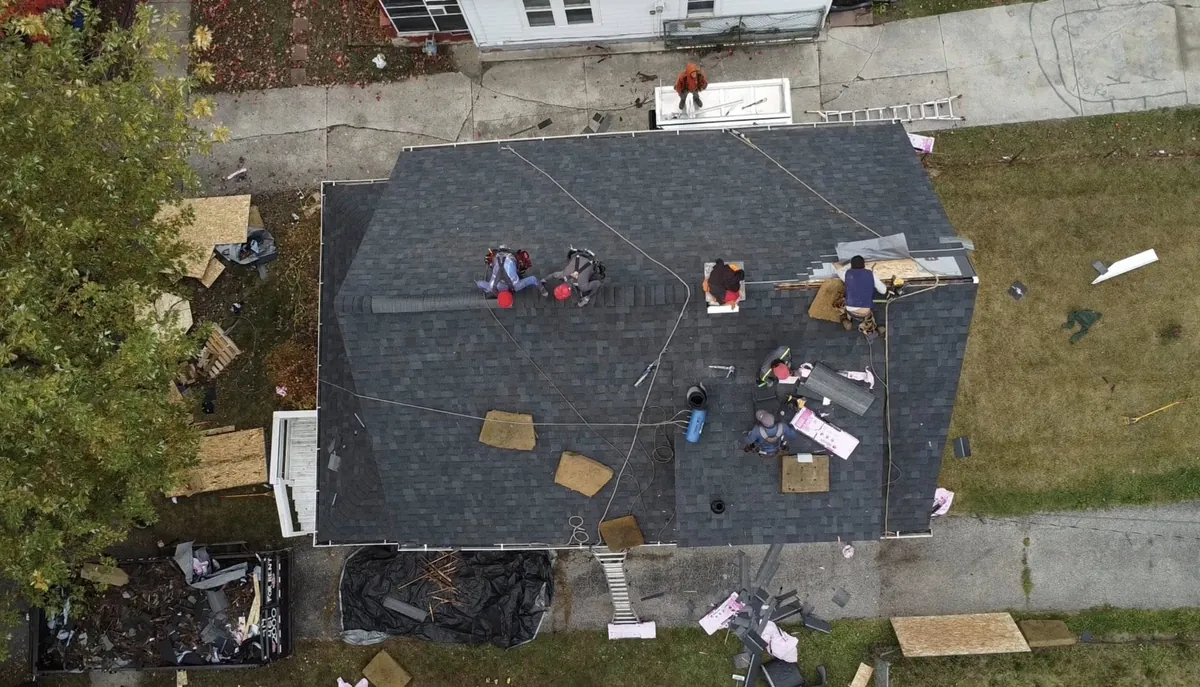
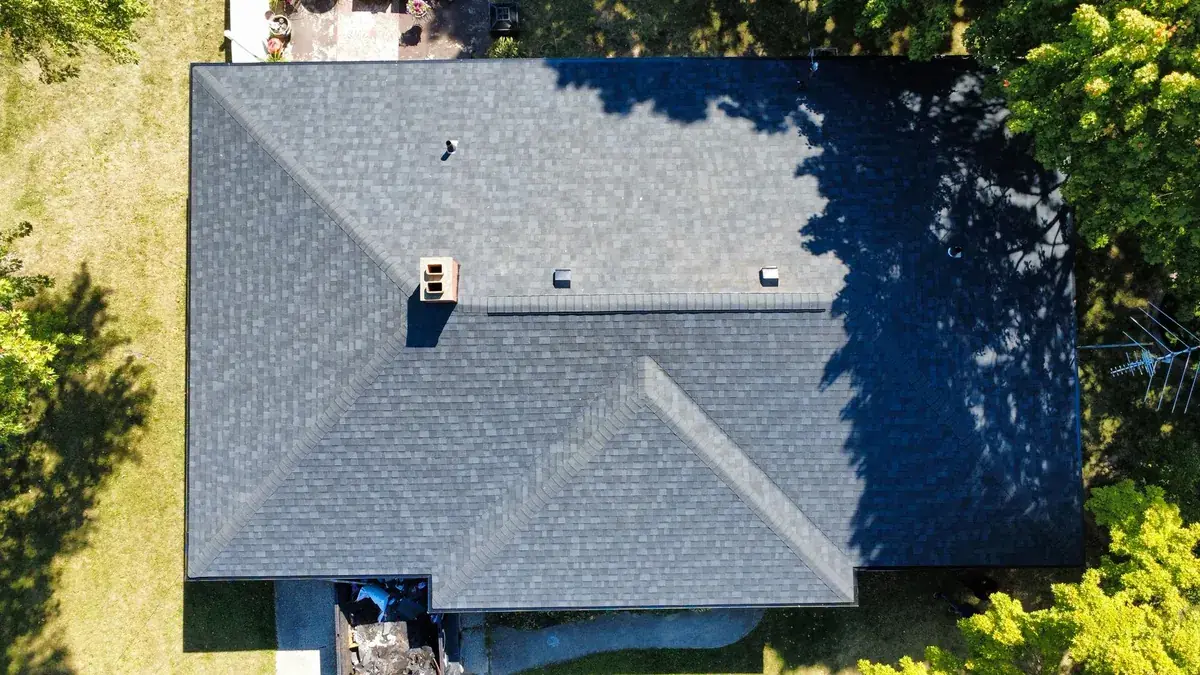
Our free roof inspection takes about 30 to 45 minutes. We climb the roof, check the attic where we can, and fly a drone over every slope to capture damage on the back side of the house you would never see from the yard. You get the dated photos whether you hire us or not. If there is enough damage for a claim, we write a scope of work so you have real evidence in hand when you file. If there is not, we tell you that too.
After a big storm, we will be on your roof within 48 hours. Call (419) 799-7778.
Step 6: Decide whether to file a claim.
Once you know the extent of the damage, pull out your policy and check three things.
Your deductible
On an approved claim, you pay your deductible and the insurer covers the rest of the approved scope. Some policies carry a separate, higher deductible for wind and hail, sometimes written as a percentage of the home's insured value. If the repair costs less than the deductible, filing does not pay you anything. Insurers can also look at past claims when deciding on renewal, so a small claim is not free.
The filing window
Most Ohio homeowner policies limit how long you have to report a loss and file, and that window is often about one year from the date of the storm. Your policy has the exact terms. Waiting makes it harder to prove the damage came from that storm and not from wear or a later one.
RCV or ACV coverage
Most homeowner policies are written on a Replacement Cost Value (RCV) basis. The insurer first pays the Actual Cash Value, the depreciated amount, then releases the rest, called recoverable depreciation, once the work is finished and invoiced. Many policies set a deadline for finishing the work to collect that second payment, so check yours. If your policy is Actual Cash Value only, the payout is lower and the depreciation is not recoverable.
Not sure what your roof would cost to repair or replace without insurance? Our roof cost guide for NW Ohio covers the typical ranges.
Step 7: The adjuster visit.
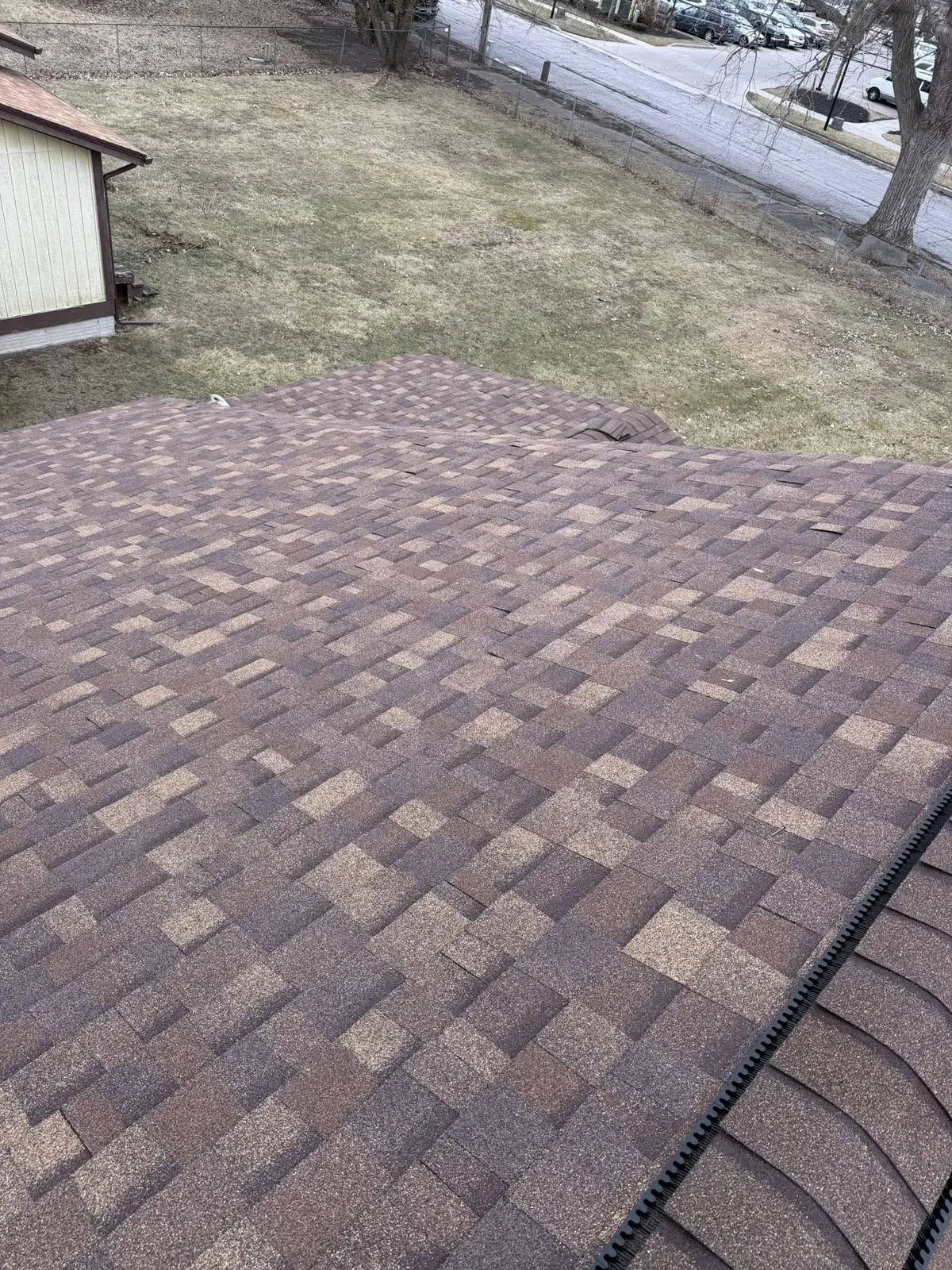
After you file, the insurance company assigns an adjuster who comes out to inspect. Many adjusters mark out a test square on each slope, often 10 feet by 10 feet, and count the hail hits inside it. Each insurance company sets its own threshold for how many hits mean repair and how many mean replacement, and they look at each slope separately.
Have your photos, your written list, and the roofer's scope ready. Andrew meets adjusters on the roof, walks the damage with them, and points out what is on the list so nothing gets left off. If the approved scope misses damaged parts or code-required items like ice-and-water shield or proper ventilation, we file a supplement with photos to get them added. That is a normal part of the process. Our storm damage and insurance claim page walks through how we handle a claim from start to finish.
Step 8: Watch out for storm chasers.
After a big hailstorm, out-of-state crews go door to door across Henry County, Wood County, and the Toledo suburbs. The pitch is usually the same: they already talked to your insurance, your roof is totaled, and you need to sign today.
- Do not sign anything at the door, including a form that only "authorizes an inspection"
- Ask for a local address and look it up
- Be wary of anyone who offers to waive, eat, or cover your deductible. In Ohio that is insurance fraud, and it puts you on the hook, not them
- Get your own inspection and your own photos before anyone touches the roof
Step 9: Repair or replace, and what to put back on.
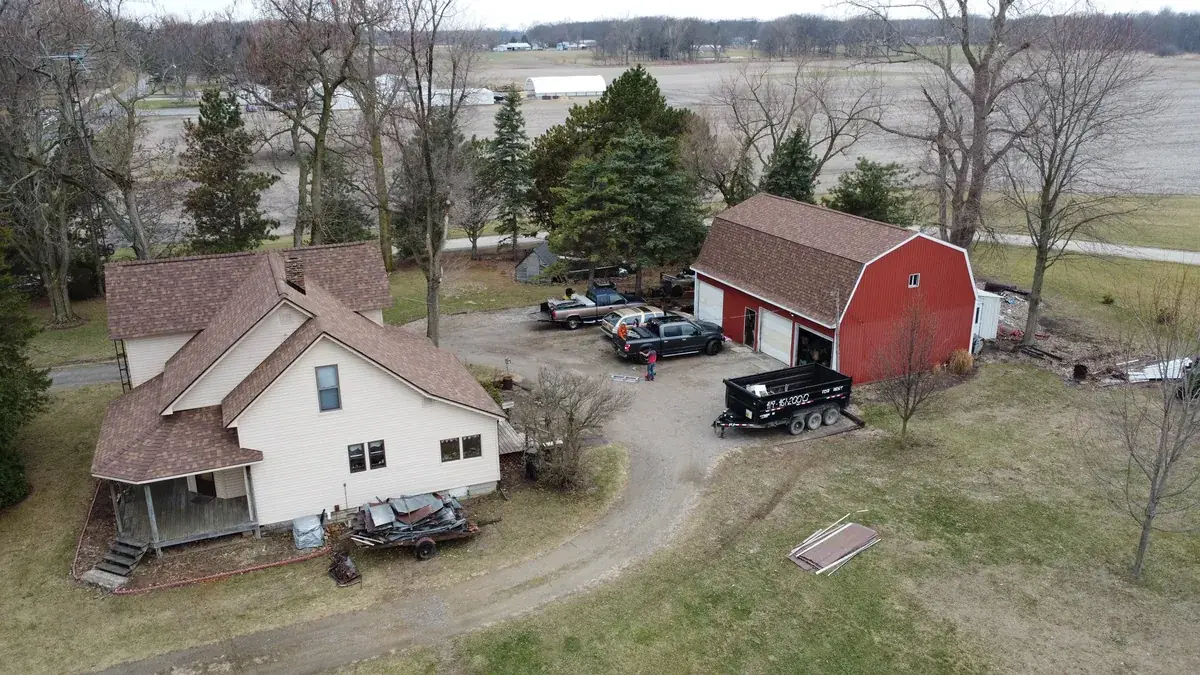
Light hail on a newer roof can sometimes be handled by replacing the damaged shingles and vents. Widespread hits across several slopes usually mean a full replacement, because the bruised shingles around the obvious hits are weakened too, and patching a roof full of cracked mats just moves the leak. On an older roof, hail is often the event that ends a roof that was already near the end. Our guide to signs you need a new roof covers how to judge that.
If you are replacing, think about the next storm. Class 4 impact-rated shingles are built to take hail, and some insurance carriers give a discount on your premium for them, so the upgrade can partly pay for itself. Our guide to types of asphalt shingles compares them with standard architectural shingles.
Older homes deserve a closer look after hail. In Toledo neighborhoods full of older brick homes and big maples and oaks, a hailstorm often comes with broken limbs, and older roofs with several layers or worn flashing around chimneys take hits harder than a newer roof in a subdivision.
Hail damage: common questions.
Most Ohio homeowner policies cover hail damage to the roof, minus your deductible. On an approved claim, you pay the deductible and the insurer covers the rest of the approved scope. Check for a separate wind and hail deductible and any cosmetic damage exclusion, and get the roof inspected and documented before you file.
As a general guide from the Nebraska Department of Insurance, hail about 1 inch across (quarter size) can damage lightweight asphalt shingles, and about 1 1/4 inches (half-dollar size) is generally needed to damage heavier shingles. Older, brittle shingles can be damaged by smaller hail. Wind and roof age change the result, so an inspection is the only way to know.
There is no single number. Many adjusters count hail hits inside a test square, often 10 feet by 10 feet, on each slope, and each insurance company sets its own threshold for repair versus replacement. Widespread hits across several slopes usually point to replacement, since the bruised shingles around the visible hits are weakened too.
It is worth it when the damage costs well more than your deductible. If the repair costs less than the deductible, filing pays you nothing, and insurers can consider past claims at renewal. A free inspection with dated photos tells you which side of that line you are on before you decide.
Most Ohio homeowner policies limit how long you have to report a loss and file, and that window is often about one year from the date of the storm. Your policy has the exact terms. The longer you wait, the harder it is to tie the damage to a specific storm, so document it right away even if you are not sure you will file.

Get your free hail damage inspection.
We come out, fly the drone, take photos, and walk you through what we found. No pressure, no sales pitch.