Why Are My Roof Shingles Turning Black?
Those black streaks explained.
If you have noticed dark streaks running down your roof, you are not alone, and your shingles are probably fine. Those streaks are almost always algae, not dirt, soot, or a sign the roof is worn out. Here is what is really going on and what to do about it, from a roofer who works on these homes every week.
Call (419) 799-7778Last updated: July 15, 2026
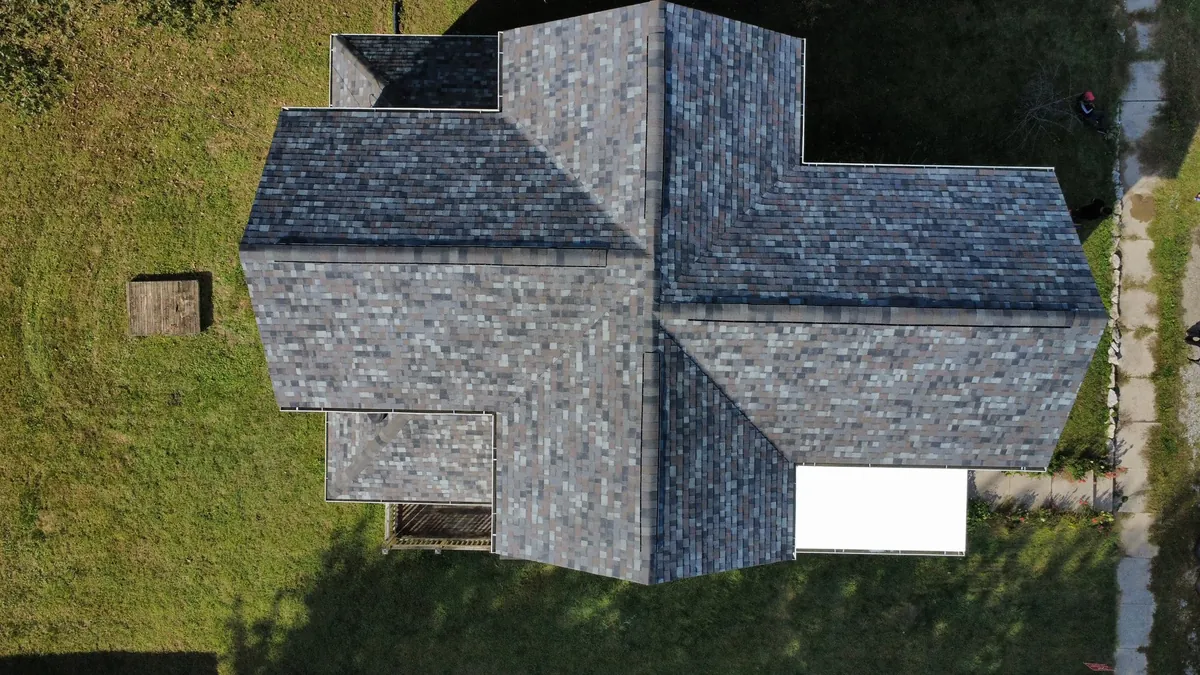
Those black streaks are almost always a blue-green algae called Gloeocapsa magma, not dirt, soot, or a sign your shingles are shot. It grows because our Northwest Ohio summers stay warm and humid, and it shows worst on the shaded, north-facing part of the roof. Early on it is a cosmetic problem, but it is worth cleaning off and preventing, because over the years it can hold moisture against the shingles and shorten their life.
What the black streaks actually are.
The dark streaks are a living organism, a type of algae with the scientific name Gloeocapsa magma. Airborne spores land on your roof, and once they take hold they feed on the limestone filler that manufacturers mix into asphalt shingles. As the colony grows, it forms a dark protective coating that reads as black or dark gray from the ground.
It spreads in warm, humid conditions, which describes a Northwest Ohio summer perfectly. That is why the streaks almost always start on the north-facing and shaded slopes, the parts of the roof that get the least sun and stay damp the longest after rain or morning dew. The sunny side of the same roof often looks clean while the shaded side is streaked. Wind and rain then carry the streaks downward, which is why they run vertically like dark drips.
So it is not soot from a chimney, not dirt you can hose off, and not proof that your shingles have failed. It is a plant, and it is extremely common on roofs across Napoleon, Defiance, Toledo, and the rest of the area.
Is it hurting my roof?
In the early years, the honest answer is that it is mostly cosmetic. The algae is not eating a hole in your roof, and a fresh streak or two is not a reason to panic. What it does do right away is drag down curb appeal, and that matters if you are thinking about selling. A streaky, blotchy roof makes a house look older and less cared for than it is, and buyers notice.
Over a longer stretch of time, it becomes more than a looks problem. A thick algae colony holds moisture against the shingle surface instead of letting it dry out. On a roof that already fights our freeze-thaw winters, keeping the shingles damp longer is not doing them any favors, and it can shorten the roof's usable life. The colony can also start to lift and trap the protective granules over time.
The takeaway is simple. It is not an emergency, but it is not something to ignore for a decade either. The sooner you clean it off and take a couple of steps to prevent it, the less it costs you in the long run and the better your roof looks the whole time.
When black means something worse.
Algae streaks are the common, low-stakes cause. But dark patches on a roof can occasionally point to a real problem, and it helps to know the difference.
Moss, not algae
If the dark growth is thick, green, and spongy rather than a flat streak, that is moss. Moss is a bigger deal because it holds water like a sponge and can lift the edges of the shingles, letting water get underneath. Moss usually needs to come off sooner than algae.
Actual rot or a failing roof
If the roof looks dark in spots and also feels soft underfoot, sags between the rafters, or has shingles that are curling, cracking, or missing granules in patches, the darkness may be a symptom of an aging or damaged roof rather than algae sitting on top of a healthy one.
Mold from poor ventilation
Dark staining on the underside of the roof deck in your attic, along with a musty smell, points to a ventilation problem, not roof-surface algae. Poor attic airflow traps moisture and grows mold from the inside.
You cannot always tell which one you have from the driveway. That is exactly what a free roof inspection is for. We get up there, tell you whether it is harmless algae or something that needs attention, and you get a straight answer either way.
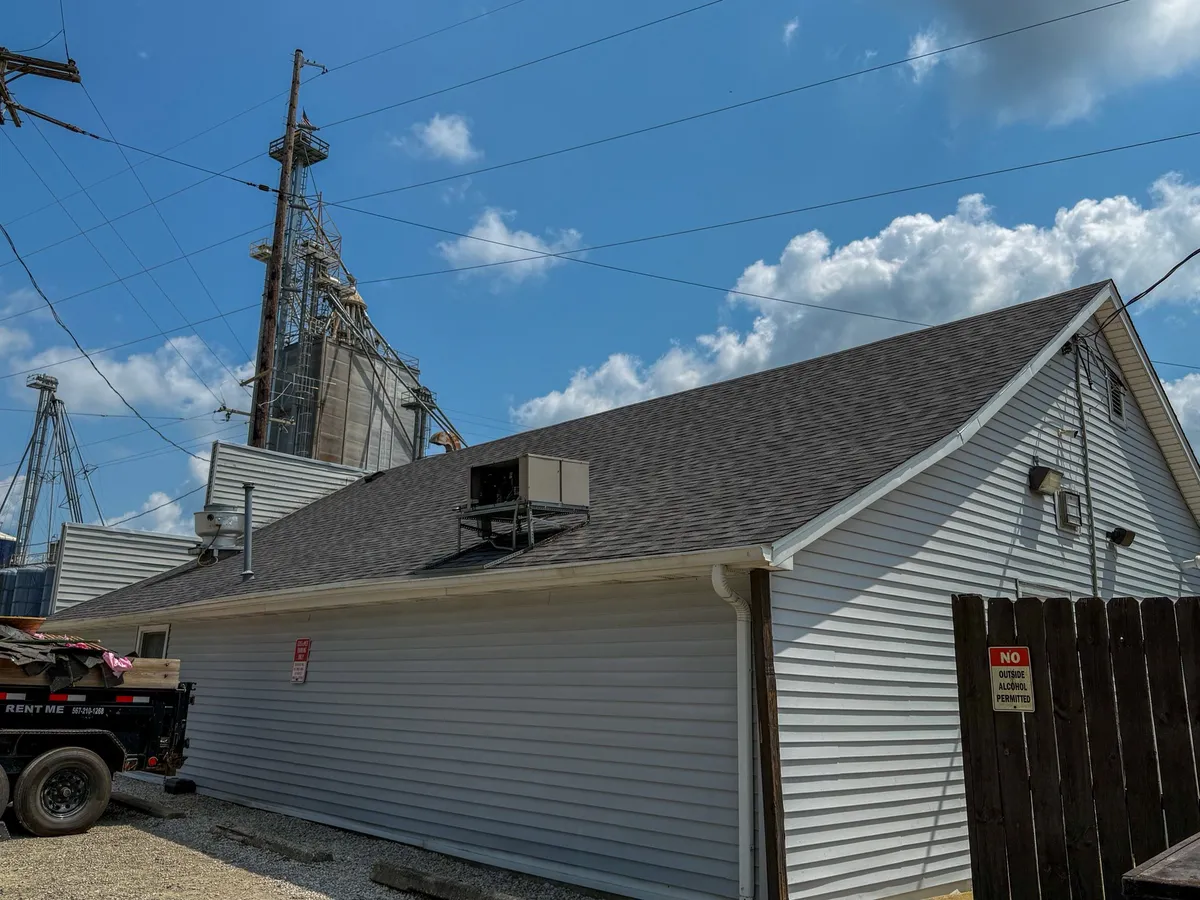
Not sure if it is just algae?
Free inspection and a straight answer for homeowners in Napoleon and NW Ohio. We tell you what is really going on up there.
How to get rid of it safely.
The good news is that algae streaks can be cleaned off. The important part is doing it the right way, because the wrong way does more damage than the algae ever would.
Do not pressure wash a shingle roof. This is the single biggest mistake homeowners make. A pressure washer blasts off the protective granules that shield the asphalt from the sun and make the shingles last. It can also force water up under the shingles and cause leaks, and it voids many shingle warranties on the spot. A pressure washer belongs on a driveway, not a roof.
The correct method is a soft wash, a low-pressure application of a cleaning solution that kills the algae and lets rain rinse the streaks away over the following weeks. It is gentle on the granules and does not risk driving water where it should not go. This is a job worth handing to a professional who works on roofs, both for your safety on a steep, slick surface and to make sure the shingles and the plants around your house are not harmed in the process.
We will not oversell you here. If your roof has plenty of life left and the issue really is just surface algae, a proper cleaning is often all it needs. We would rather tell you that than talk you into a new roof you do not need. If you want a second opinion on what you are looking at, that is what our free inspection is for.
How to keep it from coming back.
Cleaning removes the streaks you have now. These steps keep new ones from taking over.
Zinc or copper strips
Installing a strip of zinc or copper near the ridge is the classic fix. Every time it rains, a tiny amount of metal washes down the roof, and algae will not grow where those metal ions are present. It is a low-cost, long-lasting way to keep the slopes below it clear.
Let the roof dry out
Algae loves damp and shade, so anything that helps the roof dry out fights it. Trim back overhanging tree branches to let in more sun and airflow, and keep the gutters clear so water is not backing up along the eaves.
Algae-resistant shingles on the next replacement
When your roof is genuinely near the end of its life, the permanent fix is a replacement with algae-resistant (AR) shingles. These have copper granules mixed into the surface from the factory and carry a warranty against streaking for years. If you are weighing that option, a full replacement here typically runs $8,000 to $18,000 depending on the roof, and our NW Ohio roof cost guide breaks down what drives the price. You can also read our metal versus shingle comparison if you are deciding between materials, and see the details on our residential roofing page.
What to do next.
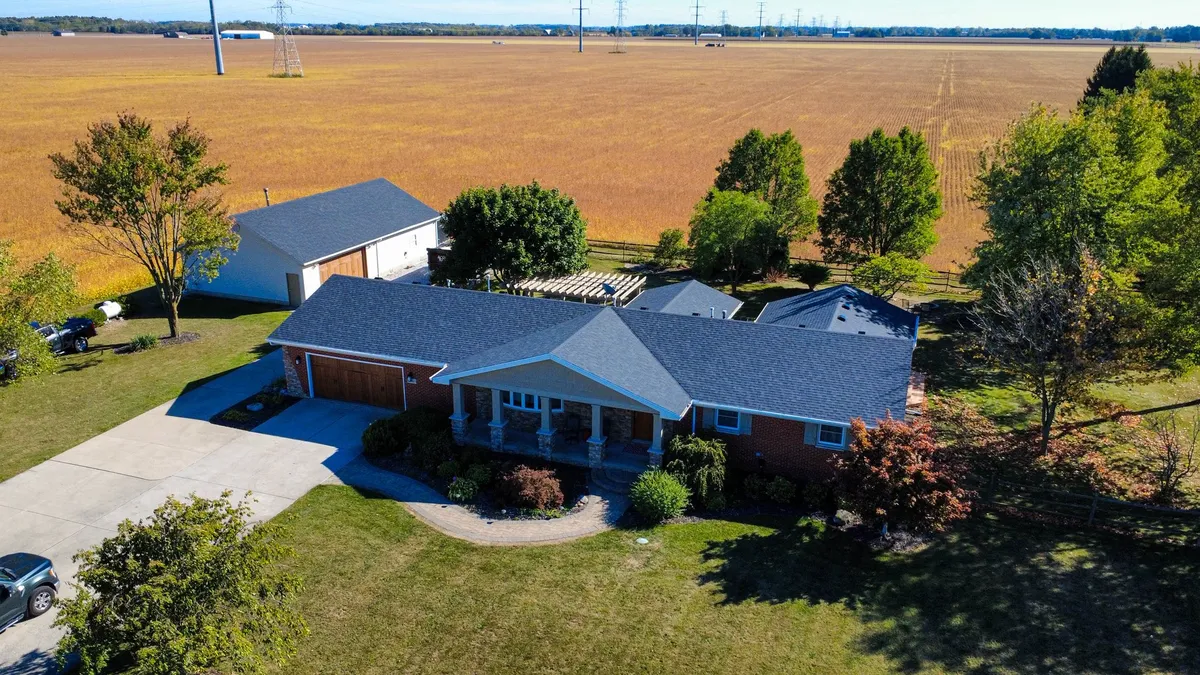
If black streaks are bugging you, start with a look, not a checkbook. Book a free roof inspection and we will get up on the roof and tell you exactly what you are dealing with. In most cases it is harmless algae that just needs a proper cleaning and a couple of prevention steps. Once in a while it is a sign of something more, like moss or an aging roof, and it is far cheaper to catch that early.
Either way, you get an honest answer from a local roofer who lives and works right here in Napoleon, Ohio. No scare tactics, no pressure. If your roof needs a cleaning, we will say so. If it needs more, we will show you why. And if it is fine, we will tell you that too. If you have a spot on the roof that already looks like more than algae, our roof repair team can take a look at the same visit.
Black streaks: common questions.
Early on they are cosmetic, not a safety problem. The black streaks are algae, and for the first few years they mainly hurt curb appeal. Left alone for a long time, the algae holds moisture against the shingles and can shorten their life. So it is not an emergency, but it is worth addressing before it settles in for good.
No, please do not pressure wash a shingle roof. The high pressure blasts off the protective granules that make the shingles last, and it can drive water under the shingles and cause leaks. It also voids many shingle warranties. The right method is a low-pressure soft wash with a proper cleaning solution, done by someone who knows roofs.
A blue-green algae called Gloeocapsa magma. It feeds on the limestone filler in asphalt shingles, spreads in humid weather, and shows up worst on north-facing and shaded slopes that stay damp. Our humid Northwest Ohio summers are ideal for it, which is why you see the streaks on so many roofs around here.
Usually not. Black algae streaks by themselves do not mean the roof is worn out. But moss, soft or rotten decking, sagging, or mold in the attic are different problems that can signal a failing roof. The only way to know which one you have is to get up there and look, which is what a free inspection is for.
Install zinc or copper strips near the ridge so rain washes a little metal down the roof, which algae will not grow through. Trim back branches to let the roof dry out and get more sun. And when it is time to replace the roof, choose algae-resistant shingles, which have copper granules built in and are warrantied against streaking for years.
Get a straight answer on those streaks.
We come out, get on the roof, and tell you whether it is just algae or something worth fixing. Free inspection, no pressure.