
Ice Dams in Ohio: What Causes Them and How to Prevent Them
Where the heat comes from, what the damage looks like, and what actually fixes it.
An ice dam is a ridge of ice that builds along the bottom edge of a roof, right above the gutter. Snow higher up melts, the water runs down to the cold overhang, and it freezes again. Once the ridge is tall enough, water pools behind it and works its way under the shingles and into the house.
Call (419) 799-7778Last updated: October 13, 2026
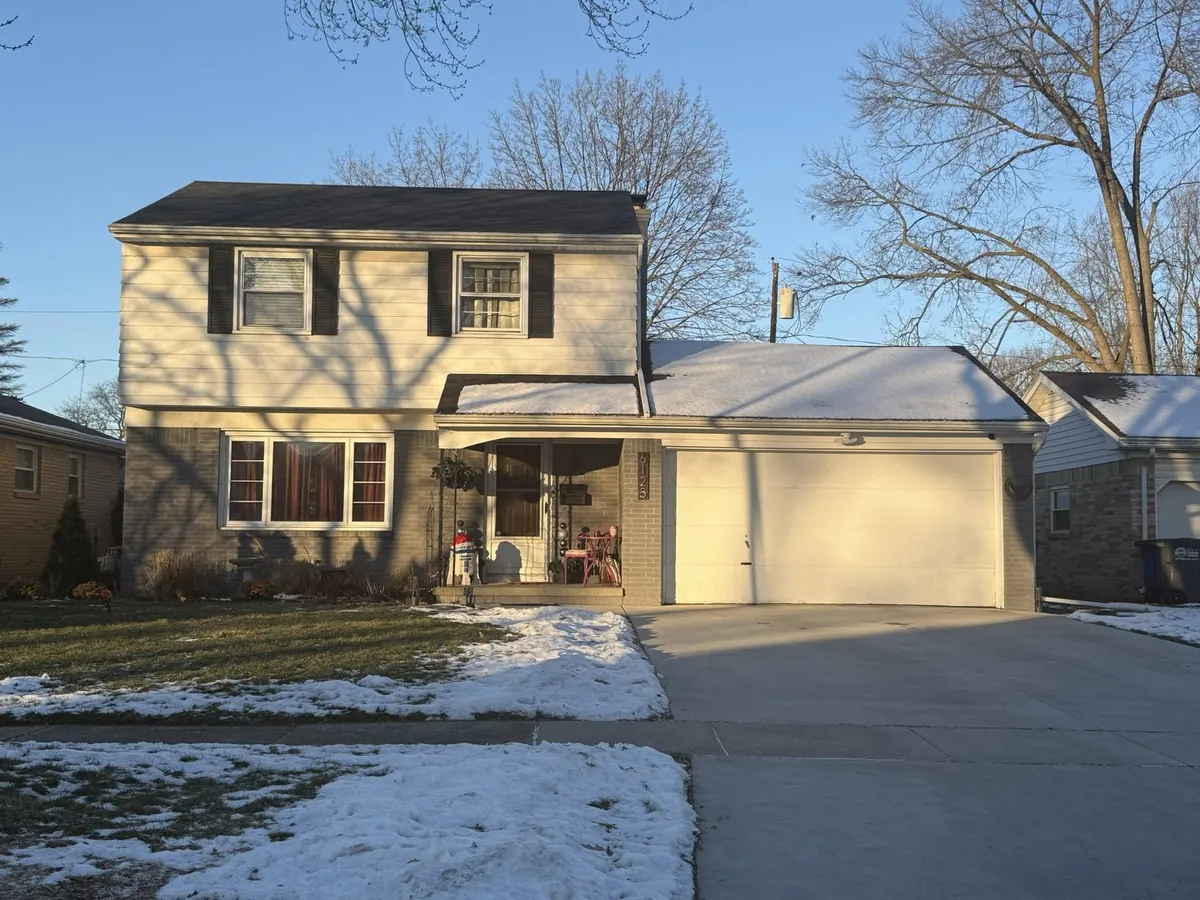
Ice dams form when heat leaking from the house into the attic warms the roof and melts the snow, and that water refreezes at the cold eave. The lasting fix is in the attic: seal the air leaks, add insulation, and balance the intake and exhaust ventilation so the roof stays cold. Until then, rake the bottom few feet of snow off the roof from the ground, keep the gutters clear, and never chip at the ice with a hammer or shovel.
How an ice dam forms.
Three things have to line up: snow on the roof, a roof deck that is warm enough to melt it, and an eave that stays below freezing. The part of the roof over your living space picks up heat from the house below. The overhang sticks out past the walls, so it has nothing warming it and sits at the same temperature as the outdoor air.
On a 25 degree day with a poorly sealed attic, the upper roof can be above freezing on the underside while the eave is well below it. Snow melts from the bottom of the snowpack up high, the water trickles down under the snow, and it freezes the moment it reaches the overhang. Every melt adds another layer. After a few days of that, the ridge of ice is tall enough to hold a puddle behind it, and shingles are built to shed running water, not to sit in standing water.
Northwest Ohio winters are close to ideal for this. Temperatures swing from the 50s to single digits and back in the same week, and heavy wet snow piles up in January and February. Every thaw followed by a hard freeze is another round of melting and refreezing at the edge of your roof.
Where the heat comes from.
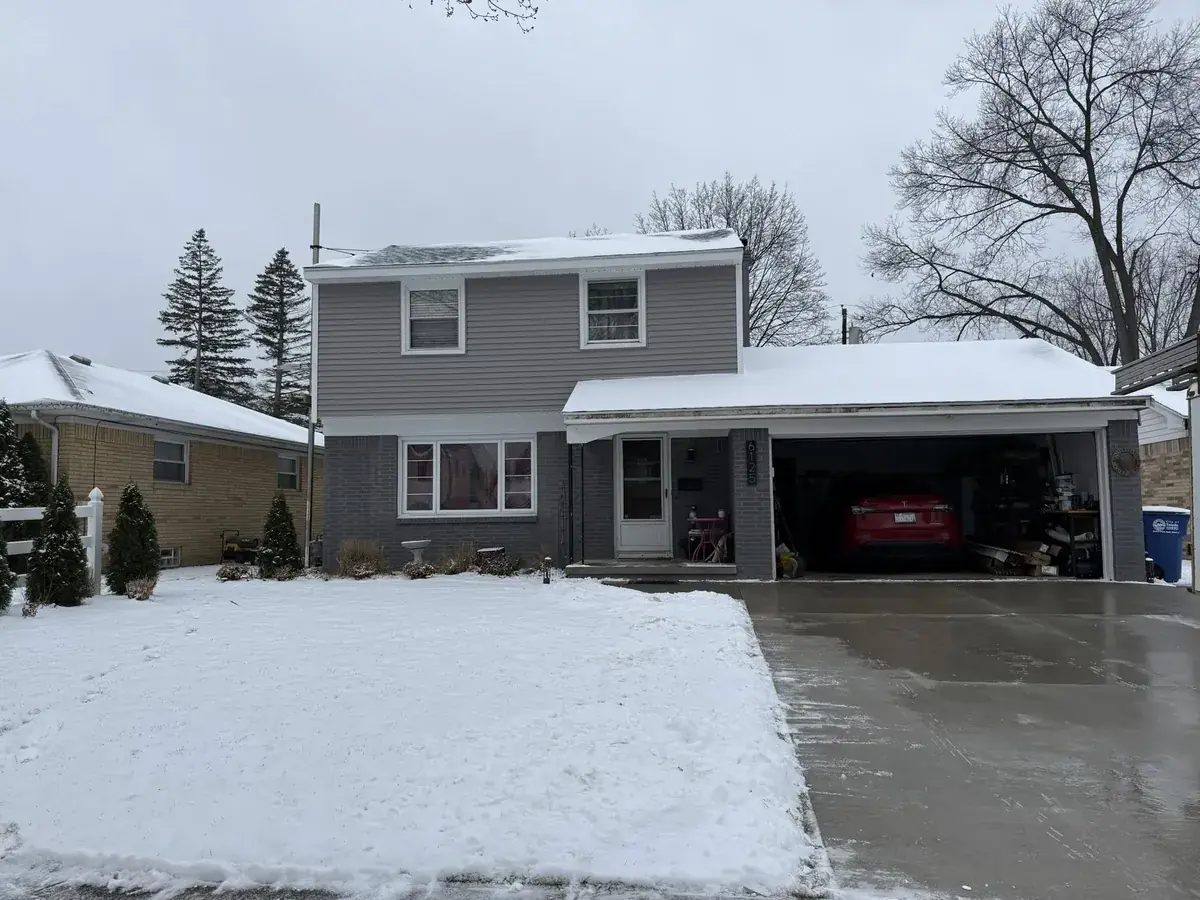
Almost every ice dam traces back to warm air getting into the attic. Most of it does not come through the insulation. It leaks through gaps in the ceiling of the top floor and rises straight up against the roof deck. These are the usual culprits:
- Attic hatch or pull-down stairs with no weatherstripping and no insulation on the lid
- Recessed can lights in the top-floor ceiling, which leak warm air up into the attic
- Gaps around plumbing vent pipes, wiring, and the chimney chase where they pass through the ceiling
- Bathroom exhaust fans that dump warm, wet air into the attic instead of out through the roof or a wall
- Knee walls and sloped ceilings in Cape Cods and story-and-a-half homes, where there is very little room for insulation
- Blocked soffit vents, often from insulation pushed into the eaves, which cut off the cold air the attic needs
Older homes get hit the hardest. Many were built with little or no attic insulation, and decades of wiring and plumbing work left holes in the ceiling that nobody sealed. In Toledo's older neighborhoods, brick Foursquares and 1920s homes with dormers and cut-up rooflines add another problem: every valley and dormer is a place for snow to collect and ice to build. If you own one of those homes, our Toledo roofing page covers what we see on them.
For insulation, the National Weather Service office in Grand Rapids recommends at least R-30 in the attic, with R-38 preferable in northern climates. Insulation slows the heat, and ventilation carries off whatever gets through. Cold air comes in at the soffits, moves up along the underside of the roof deck, and leaves at the ridge. When intake and exhaust are out of balance, warm air sits against the deck and melts the snow unevenly, and that is when the dams start. On our jobs we size the ventilation to the actual attic and make sure it is balanced.
What ice dam damage looks like.
A few small icicles with water still running over the gutter are normal on an Ohio house. The warning signs are bigger than that.
Outside
- Thick icicles along the full length of the gutter, not just at a downspout
- Ice forming out of the soffit or running down the siding, which means water is already getting behind the fascia
- Gutters that are bent, sagging, or pulling away from the fascia
- A thick band of ice at the eave with bare, melted roof above it while the neighbors' roofs are still white
Inside
- Water stains or bubbling paint on the ceiling along exterior walls
- Water at the top of upstairs window frames
- Damp, flattened insulation in the attic along the eaves
- Frost on the tips of roofing nails in the attic, a sign of warm, moist air getting up there
- A musty smell or dark staining on the underside of the roof deck later in the year
The gutters take a beating too. When the ice pushes up into a clogged gutter, it freezes solid and pulls the gutter away from the fascia. We see bent, sagging, and pulled-away gutters every March across Henry and Defiance counties for exactly this reason.

Some of the damage does not show up until spring. Water that got under the shingles in February soaks the decking and the insulation, and the leak often appears in March when the rain starts. Leaks in valleys where ice sat all winter are common then. The attic moisture can also grow mold on the underside of the deck, which is a different problem from the black streaks on the outside of a roof. Our post on why shingles turn black explains how to tell the two apart. If a roof gets ice dams every winter and is also showing its age, our list of signs you need a new roof is worth a look.
Had ice dams last winter?
Free inspection for homeowners in Napoleon and NW Ohio. We check the roof, the gutters, and the attic ventilation before the snow comes.
What to do before and during winter.
These steps do not fix the cause, but they cut down on how often dams form and how big they get.
Clean the gutters late in the fall
Do it after the last oak and maple leaves come down in November, and clear the downspout outlets so meltwater has somewhere to go. A gutter packed with wet leaves freezes solid and turns into the base of the dam. If the gutters are pitched wrong and hold water, that water freezes too. Our gutter installation and repair page covers pitch, hanger spacing, and the guards we recommend for this area.
Rake the bottom of the roof after big snows
A roof rake is a long aluminum pole with a wide blade that lets you pull snow off the roof while standing on the ground. Clearing the bottom three or four feet after each heavy snow takes away the snow that would melt and feed the dam. Pull straight down, and leave a thin layer of snow on the shingles rather than scraping down to the granules.
Use heat cables only on known trouble spots
Heat cables run in a zigzag along the eave and keep a channel open so water can drain. They can help on one stubborn valley or a low porch roof, but they have to be on before the ice builds, they use electricity all winter, and the dam will form just above wherever they stop. They treat the symptom rather than the cause.
The long-term fix.
The order matters. Sealing the air leaks comes first, because no amount of insulation stops warm air pushing through an open gap around a light fixture. Insulation comes second. Ventilation comes third, so the attic stays close to the outdoor temperature and the roof deck stays cold. Done in that order, the roof stays cold enough that serious ice dams stop forming on most homes. On older homes with limited attic insulation, that is usually the whole problem, and it is a ventilation and insulation problem rather than a shingle problem.
When a roof is due for replacement, the roof itself can add a second layer of protection. We install ice and water shield at every eave and valley, not just where code requires it. It is a self-sealing membrane that goes on the deck under the shingles, so water that backs up behind a dam has a much harder time reaching the wood. We also add ridge or off-ridge ventilation and balance it with the soffit intake. Our residential roofing page lists everything that goes into a new roof.
Metal is the other option for homes that fight ice every winter. A smooth standing seam roof sheds snow instead of holding it, and with proper snow guards over doors and walkways, ice dams become a much smaller problem. Our metal vs shingle comparison covers whether that switch makes sense for your house.
If you already have an ice dam.
Stay off the roof. An icy roof is one of the most dangerous places to stand, and most of the do-it-yourself fixes cause more damage than the ice does.
- Do not chip at the ice with a hammer, hatchet, shovel, or ice pick. It cracks shingles, cuts through the underlayment, and dents or tears the gutters.
- Do not throw rock salt on the roof. The salty meltwater can leak into the house, and it eats at metal flashing and gutters and kills the plants below.
- Do not use a torch, heat gun, or pressure washer. Open flame is a fire risk, and high-pressure water drives water under the shingles.
- Do rake the snow off the lower roof from the ground so the dam stops growing.
- Do catch the water inside with buckets and towels, and move belongings away from the wet spot.
If the dam has to come off right away, the safest method is low-pressure steam, which melts a channel through the ice without damaging the shingles. That is a specialty service, so ask anyone you hire how they remove the ice before they get on the roof.
Once water is getting in, call us. We do emergency leak repairs year-round, including through Northwest Ohio winters. Cold weather limits some permanent repairs, so we can get a temporary fix in place and schedule the full repair when conditions allow. Ice dam damage is one of the problems on our roof repair list, along with the soffit and fascia damage that often comes with it.
Insurance
Many homeowner policies cover sudden water damage inside the house from an ice dam, such as stained ceilings, wet drywall, and ruined insulation. Removing the ice and fixing the attic problem behind it is usually treated as maintenance and paid by the homeowner. Policies differ, so read yours or call your agent before you assume either way, and take photos of the ice and any interior damage before anything gets cleaned up.
Ice dams: common questions.
Heat from the house leaks into the attic and warms the roof deck, which melts the snow on the upper roof even when the outside air is below freezing. The meltwater runs down to the eave, which hangs past the heated walls and stays as cold as the outdoor air, and it freezes there. Each melt adds another layer until the ridge of ice holds water back on the roof.
Usually, yes. A few small icicles with water still running over the gutter are common and not much to worry about. Thick icicles along the whole gutter line, ice forming out of the soffit, or ice running down the siding mean water is backing up behind a dam and may already be getting into the walls.
Stay off the roof. Use a roof rake from the ground to pull snow off the bottom few feet of the roof so the dam stops getting fed. Do not chip at the ice with a hammer, shovel, or ice pick, and do not throw rock salt on the roof. If the ice has to come off right away, hire a company that removes it with low-pressure steam.
Many homeowner policies cover sudden water damage inside the house caused by an ice dam, such as stained ceilings, wet drywall, and ruined insulation. Removing the ice and fixing the attic problem that caused it is usually treated as maintenance and paid by the homeowner. Coverage varies by policy, so read yours or call your agent before you assume either way.
A new roof with ice and water shield at the eaves and valleys keeps water that backs up behind a dam from getting through to the deck, and balanced ventilation helps keep the roof cold. The dam itself comes from attic heat, so sealing air leaks and adding insulation still matter. A standing seam metal roof with snow guards sheds snow and makes ice dams a much smaller problem.

Get it checked before the snow.
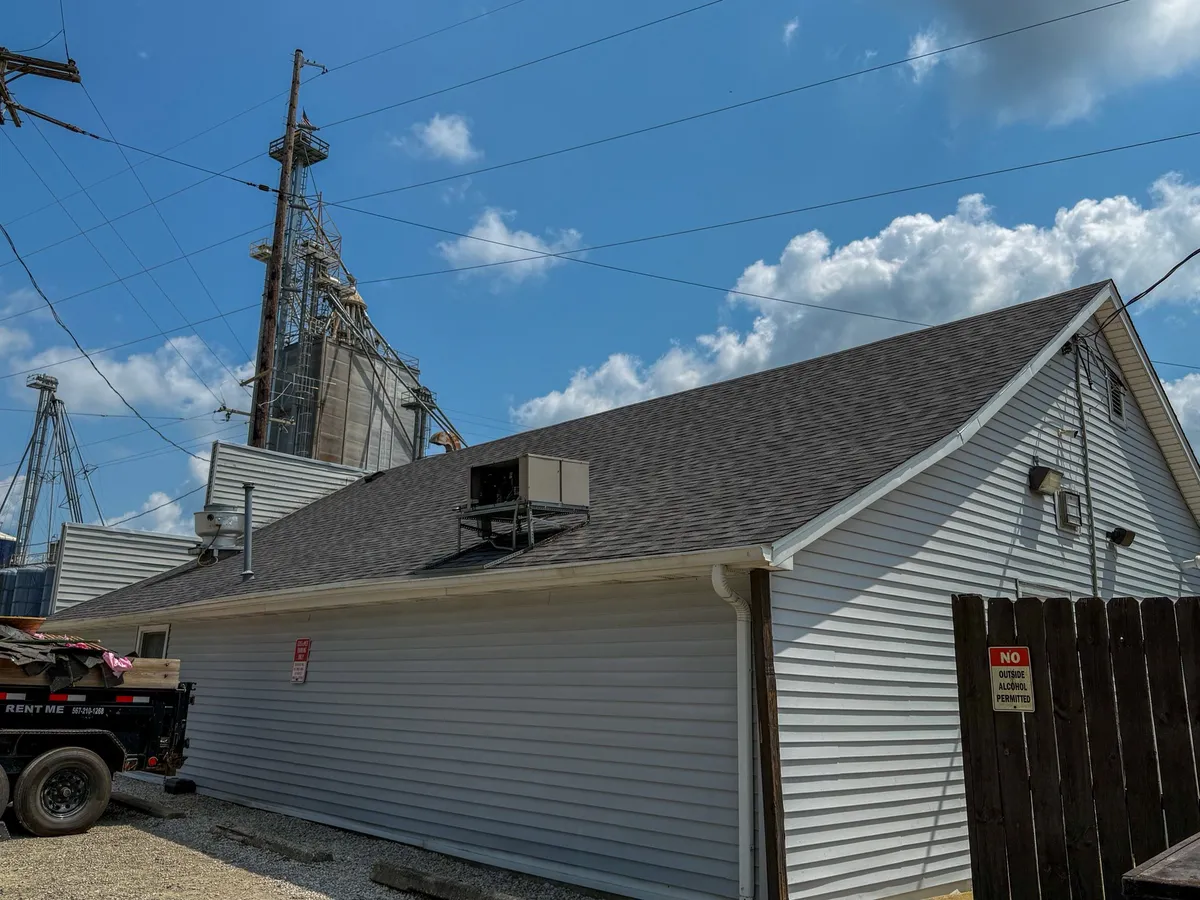
We climb the roof, check the attic ventilation and the gutters, photograph what we find, and tell you straight what it needs. No pressure, no sales pitch.