
How Long Does a Roof Last in Ohio?
Lifespan by material, and what wears a roof out early here.
How long a roof lasts in Northwest Ohio depends on what it is made of, how it was put on, and what the attic under it is doing. Here are the real ranges for shingle, metal, and flat roofs, the things that cut them short in our climate, and how to tell where your roof stands.
Call (419) 799-7778Last updated: October 22, 2026
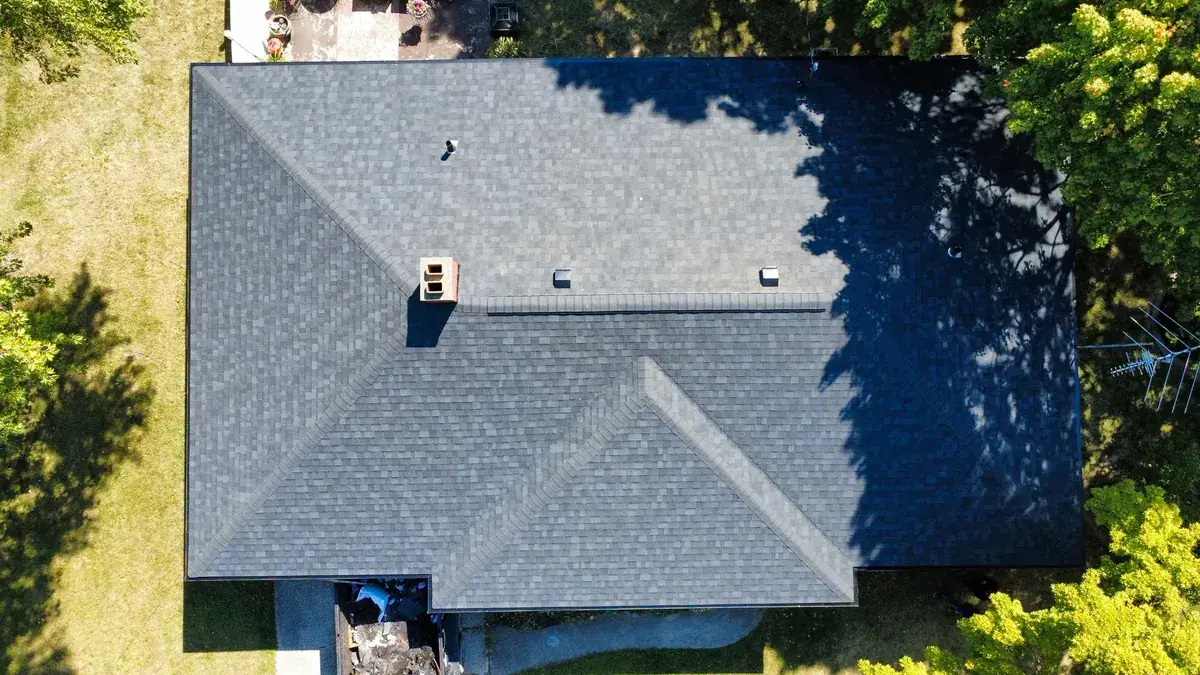
In Northwest Ohio, a well-installed architectural shingle roof lasts about 25 to 30 years, an older-style 3-tab roof about 15 to 20, and a standing seam metal roof 40 to 50 years or more. Flat TPO and EPDM roofs run roughly 20 to 30 years. Poor attic ventilation, freeze-thaw, ice dams, and shortcuts at install are what push a roof to the low end of its range or below it.
Roof lifespan by material.
These are the ranges we see on homes and buildings across Henry County and the rest of Northwest Ohio, for roofs that were installed correctly over a ventilated attic:
- 3-tab asphalt shingles: 15 to 20 years. The flat, single-layer shingle that was on most houses a generation ago, with a lower wind rating than the newer grades.
- Architectural asphalt shingles: 25 to 30 years. Thicker, layered shingles that most homeowners pick today.
- Designer asphalt shingles: the heaviest asphalt grade, built for looks on higher-end and historic homes.
- Standing seam metal: 40 to 50 years, often longer.
- Exposed fastener metal panels: 25 to 40 years, depending on the gauge and coating. Common on barns and outbuildings.
- TPO and EPDM flat roofs: roughly 20 to 30 years.
The spread inside each range comes down to the install and the house. The same shingle on two houses on the same street can wear out years apart if one attic breathes and the other bakes. For a closer look at the three asphalt grades, see our guide to types of asphalt shingles.
What the 30-year and 50-year labels mean.
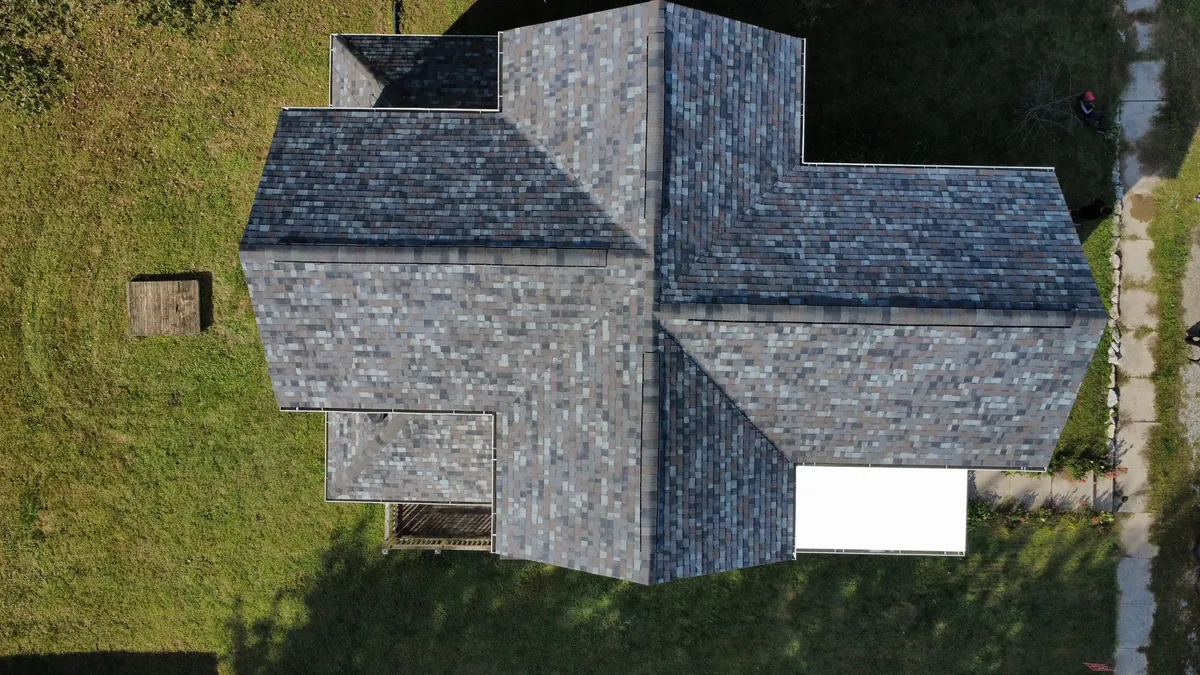
Shingle bundles and brochures talk about 30-year, 40-year, and lifetime shingles. Those numbers describe the manufacturer's material warranty, and a material warranty on architectural shingles typically runs 30 to 50 years. It covers defects in the shingle itself. It does not promise the roof will still be keeping water out at year 30.
Most of these warranties are prorated, so the coverage shrinks as the roof ages, and they generally cover the material and not the labor to replace it. They also come with conditions. A roof installed over an attic without proper ridge and soffit ventilation cooks the shingles from below, and that can void the manufacturer warranty on its own.
The number to plan around is the service life for our climate: 25 to 30 years for architectural shingles here. On a new roof, we register the manufacturer warranty for you when the job is done, and our own workmanship warranty comes in writing on every job, as covered on our residential roofing page.
What wears a roof out early in Northwest Ohio.
The same few things wear down roofs here every year, and they decide whether a roof reaches the top of its range.
Freeze-thaw
Water gets into small cracks, around nail heads, and under worn flashing during a mild afternoon, then freezes overnight and expands. Northwest Ohio swings above and below freezing many times each winter, and every cycle opens those gaps a little wider. It is also why we see so many cracked plastic pipe boots: the freeze expansion splits them, and water runs down the vent pipe into the house.
Ice dams
When heat from the house melts snow on the upper roof, the water runs down and refreezes at the cold eaves. The ridge of ice backs water up under the shingles at the bottom few feet of the roof, which is exactly where a shingle roof is weakest. A house that dams up every January wears out at the eaves first. Our guide to ice dams in Ohio covers why they form and how to stop them.
A hot, damp attic
This one is easy to miss because it happens out of sight. In summer, an attic without enough intake at the soffits and exhaust at the ridge traps heat right against the underside of the decking, and the shingles bake from both sides. In winter, the same attic holds moisture from the house, which condenses on the cold deck. Dark staining on the underside of the roof deck and a musty smell point to a ventilation problem. A shingle roof over an attic like that can look worn out years ahead of schedule.
Sun on the south and west slopes
The slopes that face south and west take the most sun and heat, and they almost always age first. Curling, blistering, and granule loss tend to show up there several years before the north side of the same roof looks tired.
Trees, shade, and clogged gutters
Big maples, oaks, and pines are hard on roofs. Branches that rub the roof scrape off granules. Shade keeps the shingles damp, which feeds the black streaks of Gloeocapsa magma, a blue-green algae. The streaks are mostly cosmetic, but combined with age they add up. Leaves and maple helicopters fill the gutters, water backs up at the eaves, and in winter that water turns into ice.
Storms
Spring wind and summer hail break seal strips, crease shingles, and knock granules loose. A roof that takes a few of those hits over the years ages faster than one that does not, even if no single storm was bad enough for a claim. Our guide to storm damage signs covers what to look for after one.
Extra layers and shortcuts at install
Laying new shingles over an old layer skips the chance to check and repair the deck, and the new shingles sit on a surface that is not flat and holds more heat. A lot of older homes, especially the brick houses around Toledo, have three or four layers already stacked on, and those need a full tear-off to the deck so the new roof goes on correctly. A cheap install that skips ice and water shield, drip edge, or new flashing will also come up short of the ranges above, whatever shingle is on top.
What ages metal and flat roofs.
Metal roofs
Metal panels rarely wear out on their own. They shed snow and ice, they do not soak up water, and freeze-thaw does not crack them. When a metal roof has problems, they are almost always at the fasteners, the trim, and the flashing. On exposed fastener panels, the screws go straight through the panel with a rubber washer under each head, and those washers dry out and loosen over the years. That is a big part of why exposed fastener roofs on barns and machine sheds land in the 25 to 40 year range while standing seam, with its hidden fasteners, runs 40 to 50 years or more. Our metal roofing page covers both systems.
Flat and low-slope roofs
A flat roof wears at the seams, at the edges, and anywhere water sits. Ponding water that stays for days after a rain, clogged drains, and edge metal that has pulled loose are what take a TPO or EPDM roof below its 20 to 30 year range. Our guide to TPO vs EPDM flat roofs compares the two membranes.

Not sure how much life your roof has left?
Free inspection with drone photos for homeowners in Napoleon and across NW Ohio. The photos are yours to keep.
How to find out how old your roof is.
If you did not put the roof on yourself, these are the places to look, roughly in order of how reliable they are:
- Your closing paperwork: the seller's disclosure and the home inspection report from when you bought the house often list the roof's age or the year it was replaced.
- Old invoices and warranty papers: a roofing contract, a warranty registration, or a receipt in the files the last owner left behind gives you an exact year.
- Building permits: many cities and counties keep permit records by address. A call to the local building department can turn up a reroofing permit.
- Leftover shingles: spare bundles in the garage, a shed, or the attic sometimes have a date or production code printed on the wrapper.
- The neighbors: in a subdivision where the houses went up at the same time, the neighbor who replaced their roof may remember who else did it that year.
If none of that turns anything up, a roofer can estimate the age from the shingle type and the wear.
Reading where your roof is in its life.
Age gives you the range. The roof itself tells you where in that range it actually is. For a typical architectural shingle roof here, it tends to go like this:
The first ten years
A sound roof should be close to trouble-free. Leaks this early usually trace back to the install, such as flashing, a missed spot of ice and water shield, or the nail pattern, or to a specific storm. They are worth chasing down while the cause is still easy to find.
The middle years
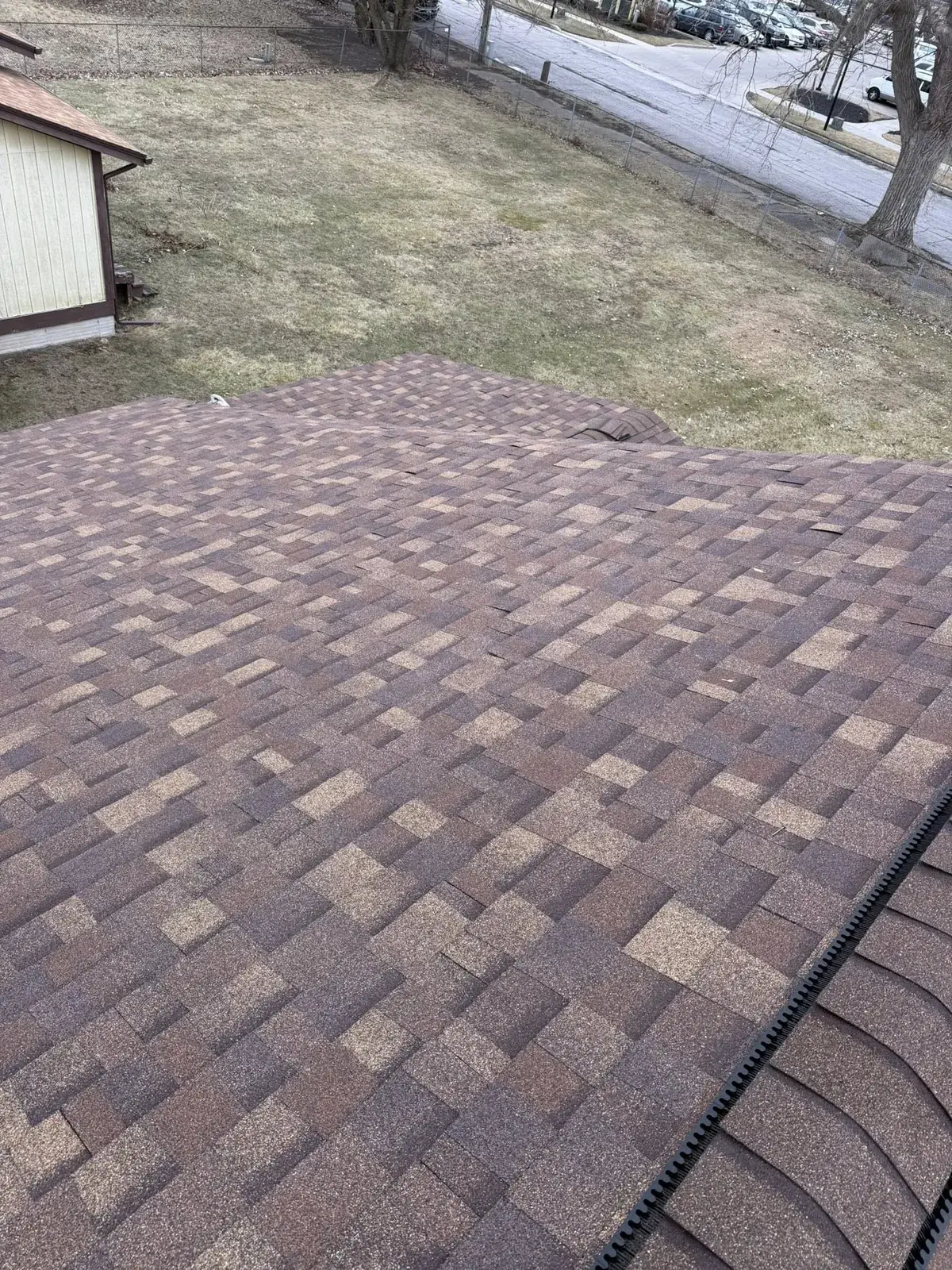
Small wear items show up. Pipe boots crack, a few seal strips let go along the edges, and granules start collecting at the bottom of the downspouts. A roof at this stage is usually a repair, and catching those small things early is what keeps it on track for the full range.
Past 20 years
Freeze-thaw winters, ice at the eaves, and spring wind all age a roof faster than a mild climate would, so a roof pushing 20 to 25 years is worth a look even if it seems fine from the ground. Curling or cupped edges, bald patches where the granules are gone, and leaks showing up in new places each year mean the roof is near the end. Our guide to signs you need a new roof goes through each of those in detail.
How to get the full life out of a roof.
Most of what stretches a roof's life is cheap and simple, and most of it happens on the ground or in the attic:
- Clean the gutters at least twice a year: once in late spring after the maple helicopters drop and again in late fall after the leaves come down. With mature oaks or pines close to the house, plan on more often.
- Trim branches back from the roof: so they cannot rub the shingles or drop limbs on it in the next windstorm.
- Keep the attic venting: do not let insulation get pushed into the soffit vents, and do not close off vents to save heat.
- Fix small problems while they are small: a cracked pipe boot or a few missing shingles is a straightforward repair. Left alone for a few seasons, the same leak can rot decking and soak insulation.
- Get the roof checked after big storms: hail and wind damage often cannot be seen from the yard, and it shortens a roof whether or not it leaks right away.
- Never pressure wash shingles: it strips off the granules that protect the asphalt from the sun.
When it is time for a new roof, the parts you do not see matter as much as the shingle. A full tear-off, ice and water shield at the eaves and valleys, full-coverage synthetic underlayment, new drip edge on all sides, and balanced ventilation are what let a new roof reach the top of its range. Our residential roofing page lists everything that goes into a Big Horn replacement.
Planning for the next roof.
Knowing roughly how many years your roof has left lets you plan for a replacement instead of reacting to a leak in February. Most single-family homes in the Napoleon area run between $8,000 and $18,000 for a full tear-off and new architectural shingle roof, depending on the size and pitch of the roof, how many layers come off, and the material you pick. Our NW Ohio roof cost guide breaks that down, and financing is available through Service Finance Company.
If you are choosing a material for the next roof, how long you plan to stay in the house is the biggest factor. Metal costs more upfront but lasts nearly twice as long, which our metal vs shingle comparison walks through.
Our free roof inspection takes 30 to 45 minutes. We check the roof and the attic where we can, take drone photos of every slope, and tell you plainly whether you are looking at a repair, a few more good years, or a replacement.

Roof lifespan: common questions.
In Northwest Ohio, a well-installed architectural shingle roof lasts about 25 to 30 years, a 3-tab shingle roof about 15 to 20 years, and a standing seam metal roof 40 to 50 years or more. Flat TPO and EPDM roofs last roughly 20 to 30 years. Poor ventilation, ice dams, storms, and a cheap install push a roof to the low end of those ranges.
A standing seam metal roof lasts 40 to 50 years, often longer. Exposed fastener panels, common on barns and outbuildings, last 25 to 40 years depending on the gauge and coating. On both, the fasteners, trim, and flashing need attention as the roof ages, more than the panels themselves.
Usually not in Northwest Ohio. The 30-year label describes the manufacturer's material warranty, which is typically prorated and covers defects in the shingle. In our climate, a well-installed architectural shingle roof over a properly ventilated attic lasts about 25 to 30 years.
Check the seller's disclosure and home inspection report from when you bought the house, any roofing invoices or warranty papers the last owner left, and permit records at your local building department. Leftover shingle bundles sometimes have a date code on the wrapper. If nothing turns up, a roofer can estimate the age from the shingle type and the wear.
Poor attic ventilation is one of the biggest causes, because it bakes shingles from below in summer and lets moisture condense on the deck in winter. In Northwest Ohio, freeze-thaw cycles, ice dams at the eaves, clogged gutters, storm damage, and new shingles laid over old layers also take years off a roof.
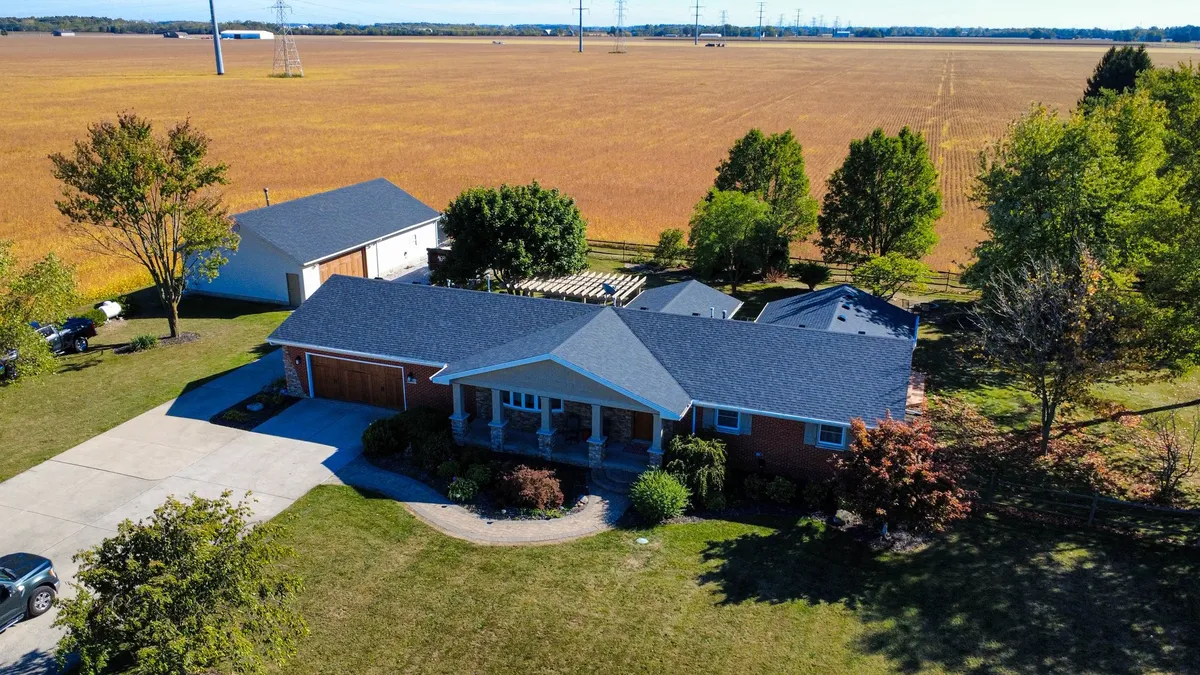

Find out how many years your roof has left.
We come out, check the roof and the attic, and give you a straight answer on repair, replacement, or waiting. No pressure, no sales pitch.